Sport and Society
Introduction
Today I would like you to:
- Interrogate the role of sport as cultural & social practice
- Critically examine lived experiences within sport
- Reflect on your own engagement with sport
- Understand how Functionalism and Conflict Theory help us understand the role of sport in society
Part 1. The Familiar Made Strange
Sport is everywhere
Sport permeates daily life: screens, headlines, conversations
Not neutral: sparks pride, disappointment, nostalgia, euphoria
Connects through teams/tournaments, creating belonging (fleeting/contested)
Its ubiquity makes it easy to feel but rarely question
Think of a time when sport genuinely moved you, not just as entertainment, but as something that struck you emotionally, politically, or socially.
Why did it matter?
It’s rarely questioned
Rarely interrogate our assumptions about sport - often seen as “self-evident”:
- natural, apolitical, inherently ‘good’ part of life.
No cultural practice is neutral.
- what we perceive as ‘natural’ often deeply structured by history, ideology, social institutions.
Sport and society
Sport doesn’t simply exist in society
- it’s shaped by, and in turn shapes, the values/ power structures of that society.
This module asks: What work is sport doing in our lives and culture?
Write down three adjectives you might instinctively use to describe sport. Now ask yourself where did those associations come from? What assumptions underlie them?
Part 2. What is Sport For?
If sport disappeared tomorrow, what would society lose?
Sport has many functions
Sport celebrated for ability to promote health/physical wellbeing
Linked to national pride: Olympic tables, football chants, soft power, image-building
Vast commercial enterprise: billions via broadcasting, sponsorship, branding
Key to personal development: shaping values, character, identity across lifetime
Some contradictions in modern sport
Sport represents fairness/merit but shaped by inequality, exclusion, advantage
Framed as unifying, yet fosters tribalism, nationalism, division
Celebrates individual achievement, yet rewards access to elite facilities/resources
Tensions don’t invalidate sport but demand interrogation of assumptions
Sociology helps us ask…
Whose stories dominate our understanding of sport?
Whose experiences remain marginal or invisible?
What do the dominant assumptions about sport (meritocracy, neutrality, universality) obscure?
and…
Sociology helps us ask…
Whose stories dominate our understanding of sport?
Whose experiences remain marginal or invisible?
What do the dominant assumptions about sport (meritocracy, neutrality, universality) obscure?
Choose one: health, national pride, profit, or identity.
Now ask who is excluded from that benefit, and why?
Theories
⬇
Functionalism
Conflict Theory
Critical Theory
Functionalism
Sport plays vital role in maintaining social cohesion.
Integrates individuals into wider society, promotes shared norms, provides structured, rule-bound outlets for competition.
Large-scale events (Olympics, World Cups) expressions of national unity & collective identity.
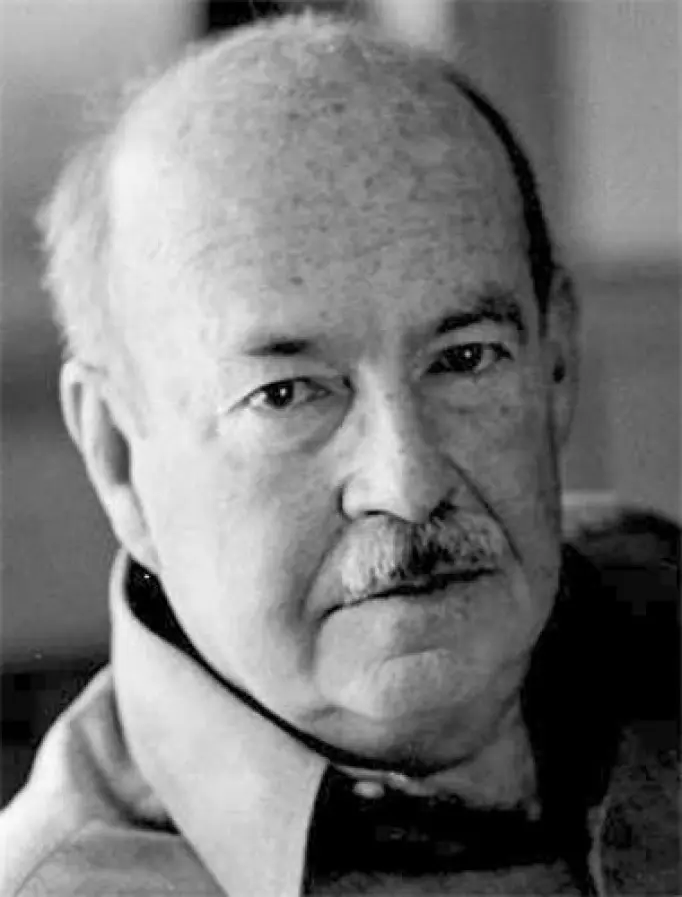
Talcott Parsons
Institutions like sport as regulators of social behaviour and contributors to system stability.
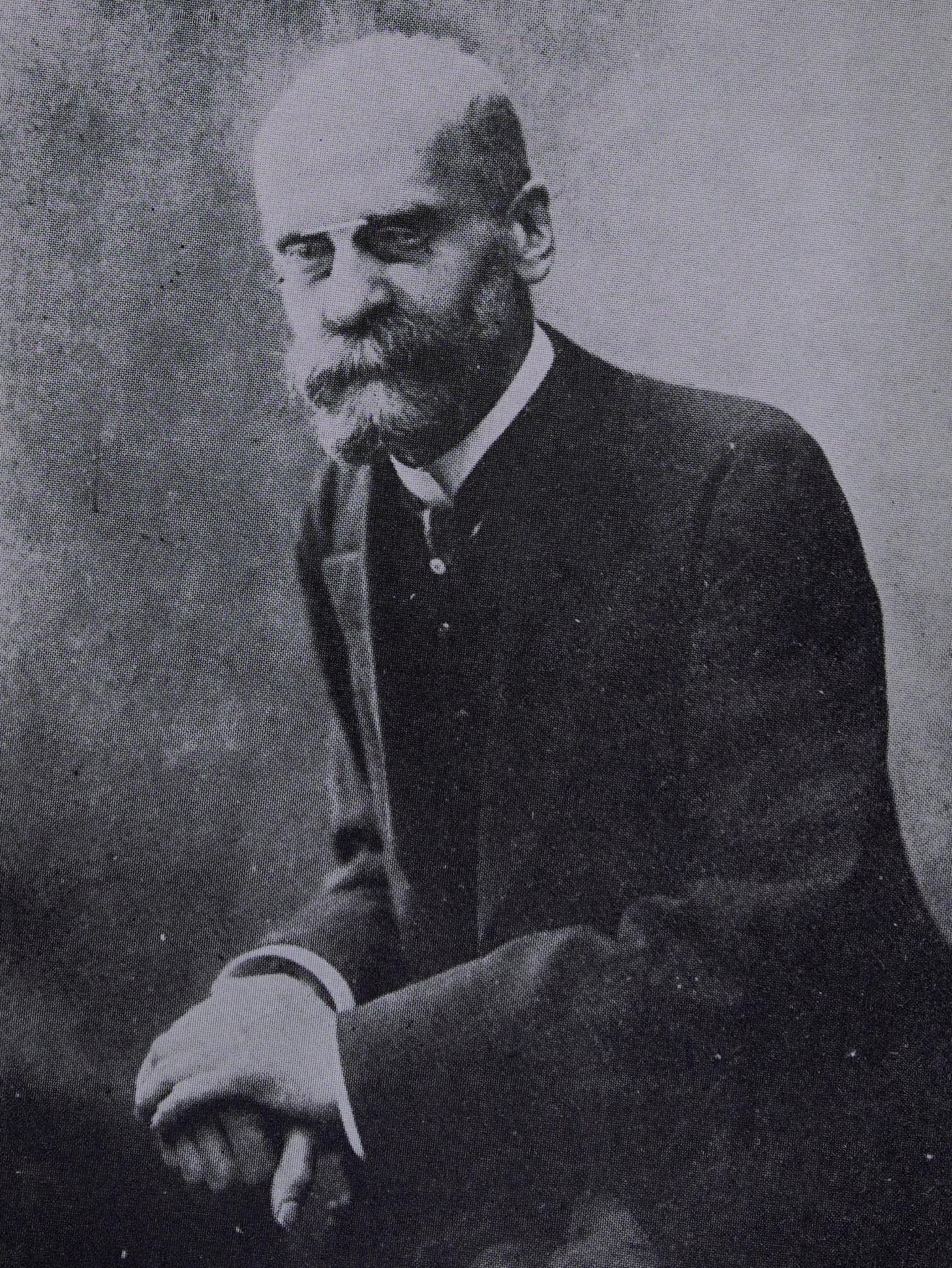
Emile Durkheim
Emphasised role of ritual and the collective conscience.
Recognises the positive social effects of sport but tends to overlook power imbalances or structural inequality.
For Functionalists, the system works…so long as it continues to function.
Conflict Theory and sport (1)
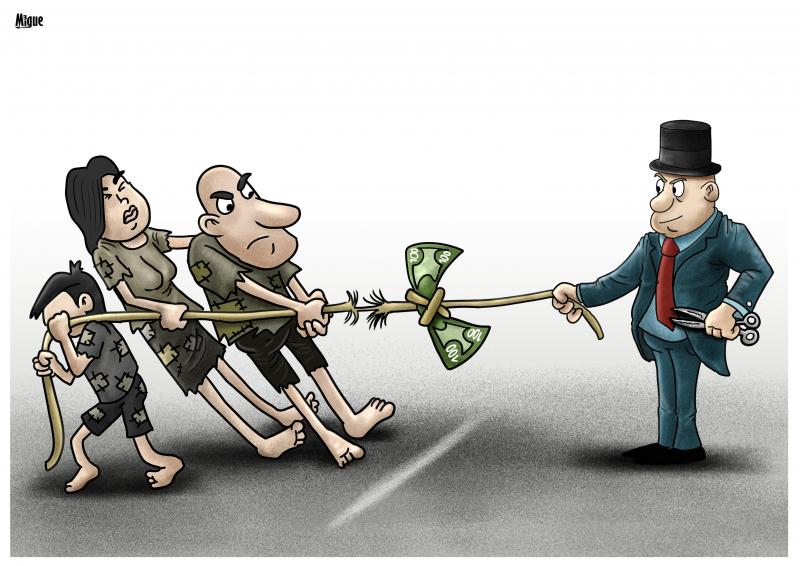
Conflict theorists (rooted in Marxist thought) see sport as site of struggle
- over resources
- over access
- over symbolic dominance
Conflict Theory and sport (2)
They argue that sport reflects & reinforces interests of dominant groups
- economically
- racially
- culturally
Conflict Theory and sport (3)
For example: increasing commercialisation of elite sport often comes at expense of grassroots initiatives and equitable access.
- Marx pointed to class conflict as engine of social change;
- Gramsci introduced idea of hegemony;
- dominant groups maintaining power by shaping cultural norms and common sense.
Critical Theories (1)
Forms of Critical Theory
⬇
Feminist Theory
Critical Race Theory
Post-Colonial Theory
Critical Theories (2)
Critical theorists go further by interrogating intersections of race, gender, sexuality, and post-colonial legacies within sport.
Types of Critical Theory
Feminist theory: critiques exclusion/sexualisation in women’s sport; visibility, funding, legitimacy unequal
Critical race theory: examines racialised narratives shaping recruitment, representation, perception (esp. coaching, commentary, media)
Post-colonial theory: challenges global sport structures echoing imperial hierarchies; whose values dominate institutions
These theories can be challenging. They ask us not just to see injustice, but to see how it is sustained - often in ways that feel normal or entertaining.
Theories in context - 2022 World Cup (Qatar)
Consider how each theory helps interpret a complex global event:
Functionalism
- celebration of global sport, shared rituals, moments of national pride.
Conflict theory
- widespread exploitation of migrant labour; economic inequalities between nations; profit-driven decision-making.
Critical theories
- LGBTQ+ exclusion; restrictions on women’s rights; cultural double standards media
What does the World Cup in Qatar tell us about who global sport is for, and who is made invisible in the process?
Part 3. How Did We Get Here?
The history of sport
Sport history = more than timeline or list of athletes…reflects wider social, cultural, political forces.
Key questions to ask
Who decides what counts as “sport”?
What roles has sport played in society?
How have race, gender, class, and empire shaped its evolution?
Sport isn’t fixed; its meaning shifts across time and place. Our task is to trace and question those shifts.
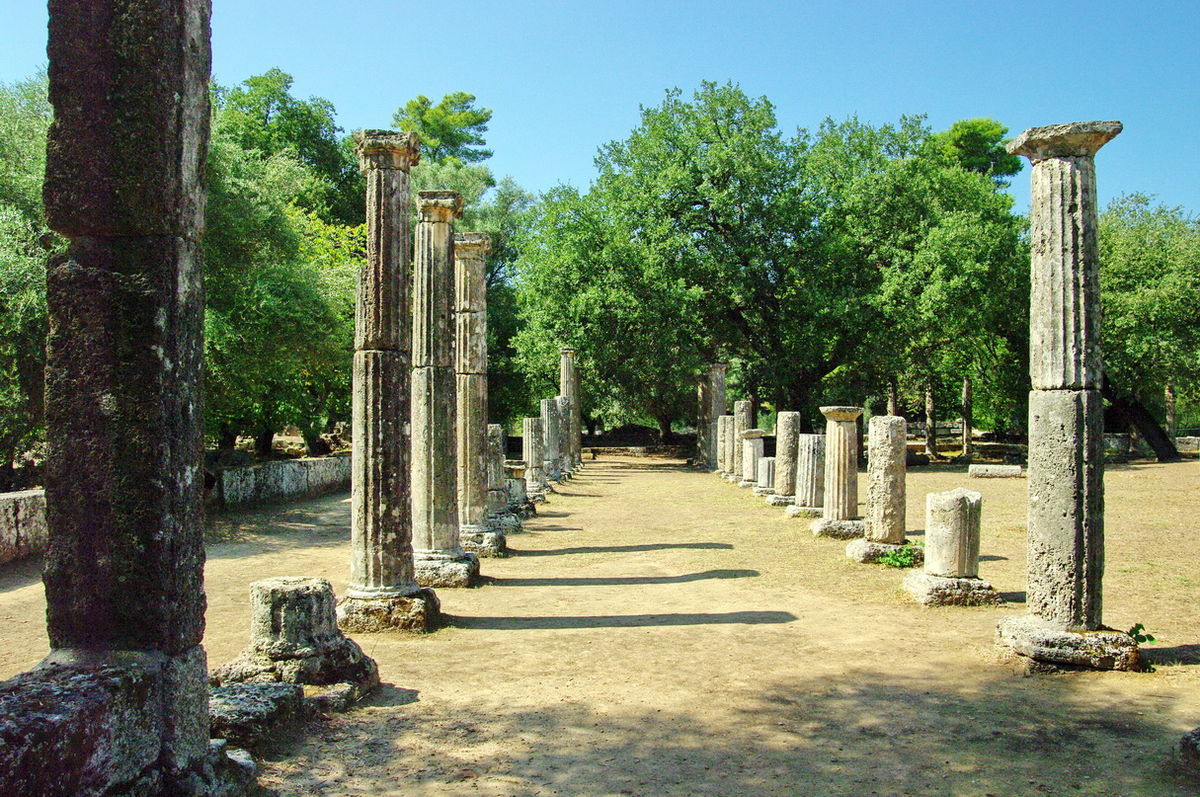
Sport in the Ancient World (1)
Ancient Olympics (776 BCE onwards)
Religious festival dedicated to Zeus
Brought together city-states → political truce during the Games
Honour, prestige, and identity wrapped into performance
Sport in the Ancient World (2)
Sparta
- Physical training linked to military preparedness
Rome
Gladiatorial combat and spectacles in the Colosseum
Entertainment + political control (“bread and circuses”)
Sport as a tool of social cohesion and distraction
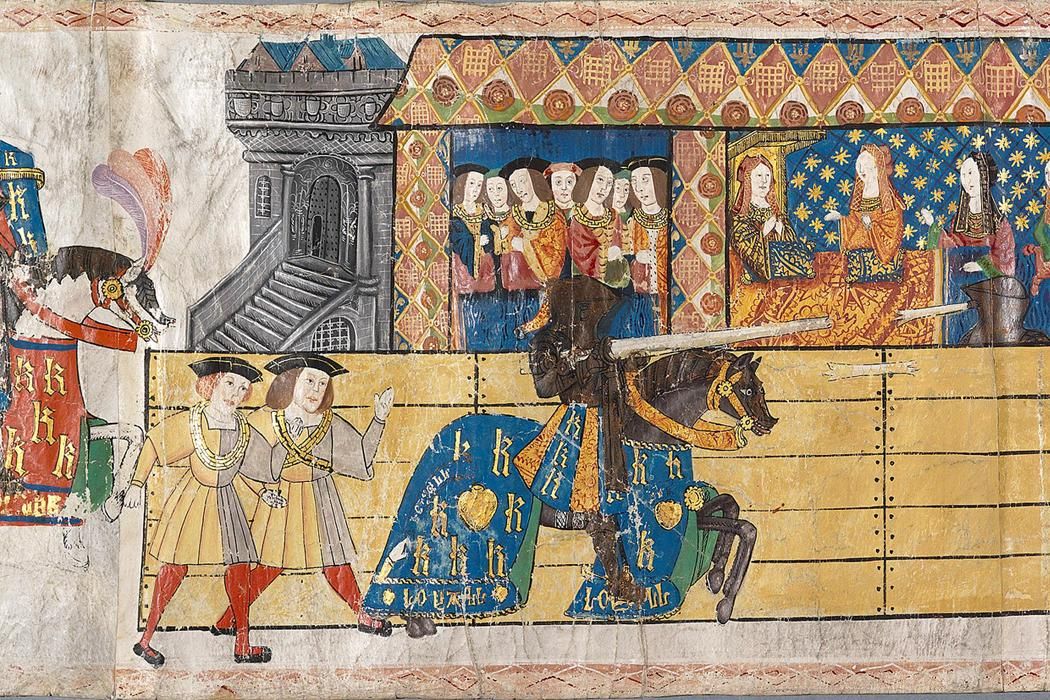
Pre-1700s: Ritual, custom, & play (1)
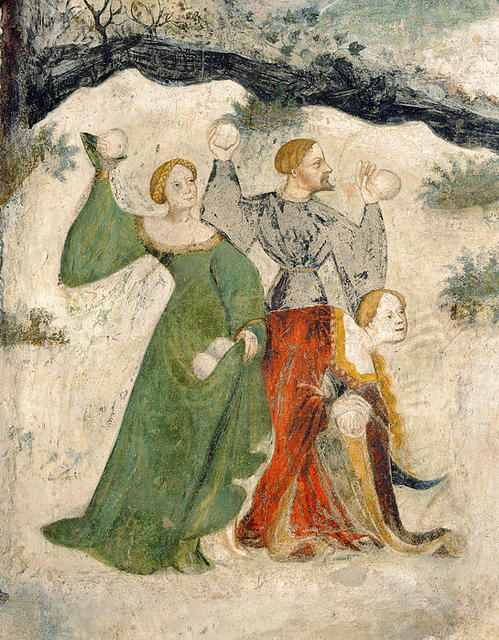
Medieval/early modern sport-like practices as communal, seasonal rituals
- Shrovetide football, animal baiting, May Day games blurred play, festivity, ritual
Local, improvised, tied to rural rhythms
- No codified rules or clear player/spectator divide
Pre-1700s: Ritual, custom, & play (2)
Movement expressive: symbolising abundance, fertility, social reversal, not athletic performance
Noisy, chaotic, public; sometimes challenged social order
Religious/political elites (esp. Puritans) sought suppression as “sinful”/“disruptive”
Not “primitive sports” but cultural practices of expression, not competition
1700s-1830s: Regulation & rationalisation (1)
18th century - play becomes more regulated, measured, moralised.
Enlightenment ideals & industrial capitalism reshaped time, space, and the body.
Traditional games challenged by:
Factory owners demanding discipline
Religious leaders promoting self-control
Elites condemning street play as disorderly
1700s-1830s: Regulation & rationalisation (2)
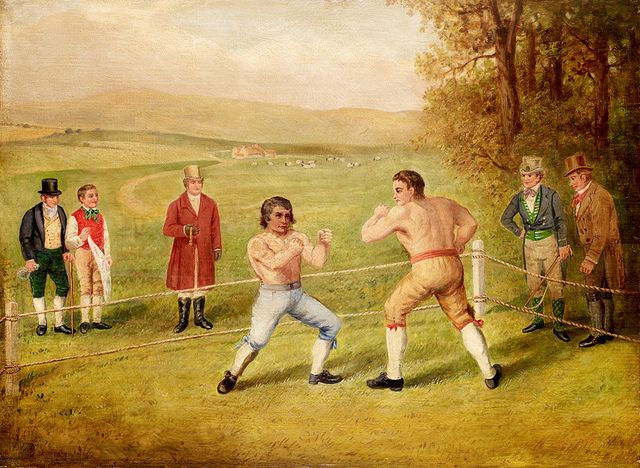
- In their place grew structured entertainments - prizefighting, cockfighting, horse racing, and early cricket.
1700s-1830s: Regulation & rationalisation (3)
These featured:
Ticketed enclosures
Formal rules and betting systems
Growing professionalism
The body became a site of discipline -> trained for work, performance, and control.
Leisure split: private refinement for elites, regulated amusement for workers.
1830-1900: Codification & control (1)
This period marked formal codification of sport, driven by elite schools and urban clubs.
At Rugby, Eton, and similar institutions:
Sport designed to instil discipline, moral values, imperial masculinity.
Rules standardised; games became tools for character-building.
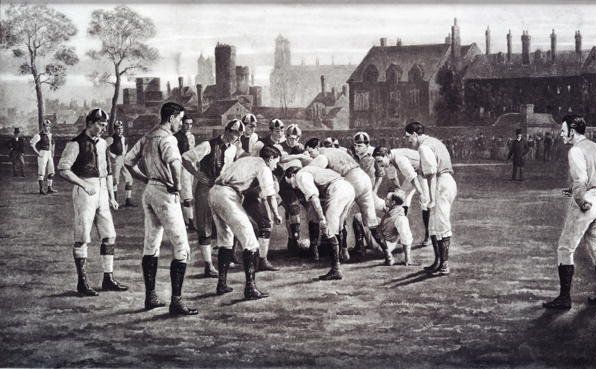
Field games at Eton College
1830-1900: Codification & control (2)
Industrial workers gained more access to organised sport via:
Saturday half-days
Factory clubs and local competitions
Growth of railways and newspapers, enabling national contests and mass spectatorship
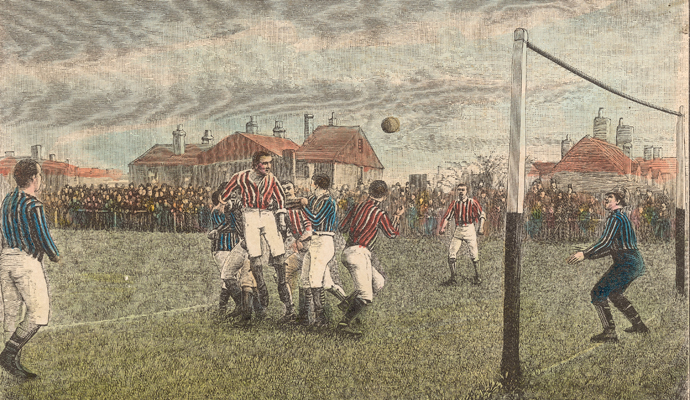
1830-1900: Codification & control (3)
Class divisions deepened:
Amateurism (upper class) framed as noble/virtuous
Professionalism (working class) labelled corrupt/mercenary
Football, rugby, cricket, athletics structured as national pastimes with leagues, rules, official bodies
1870s-1930s: Sport, empire, & identity (1)
As empire expanded, sport became tool of imperial control and cultural diffusion.
Cricket, rugby, and football exported to colonies to promote:
Moral discipline, obedience, and assimilation
British notions of “civilisation” and “order”
1870s-1930s: Sport, empire, & identity (2)
Colonised peoples reclaimed and redefined these sports:
- Indian, Caribbean, and South African athletes used imperial games to express identity, pride, and resistance
These acts form part of sport’s “counter-history”
1870s-1930s: Sport, empire, & identity (3)
Sport also fed domestic nationalism:
- The Olympics revived ideals of universal brotherhood but often excluded by race, class, and gender
Sport became central to imagining the “nation-state” and its symbols
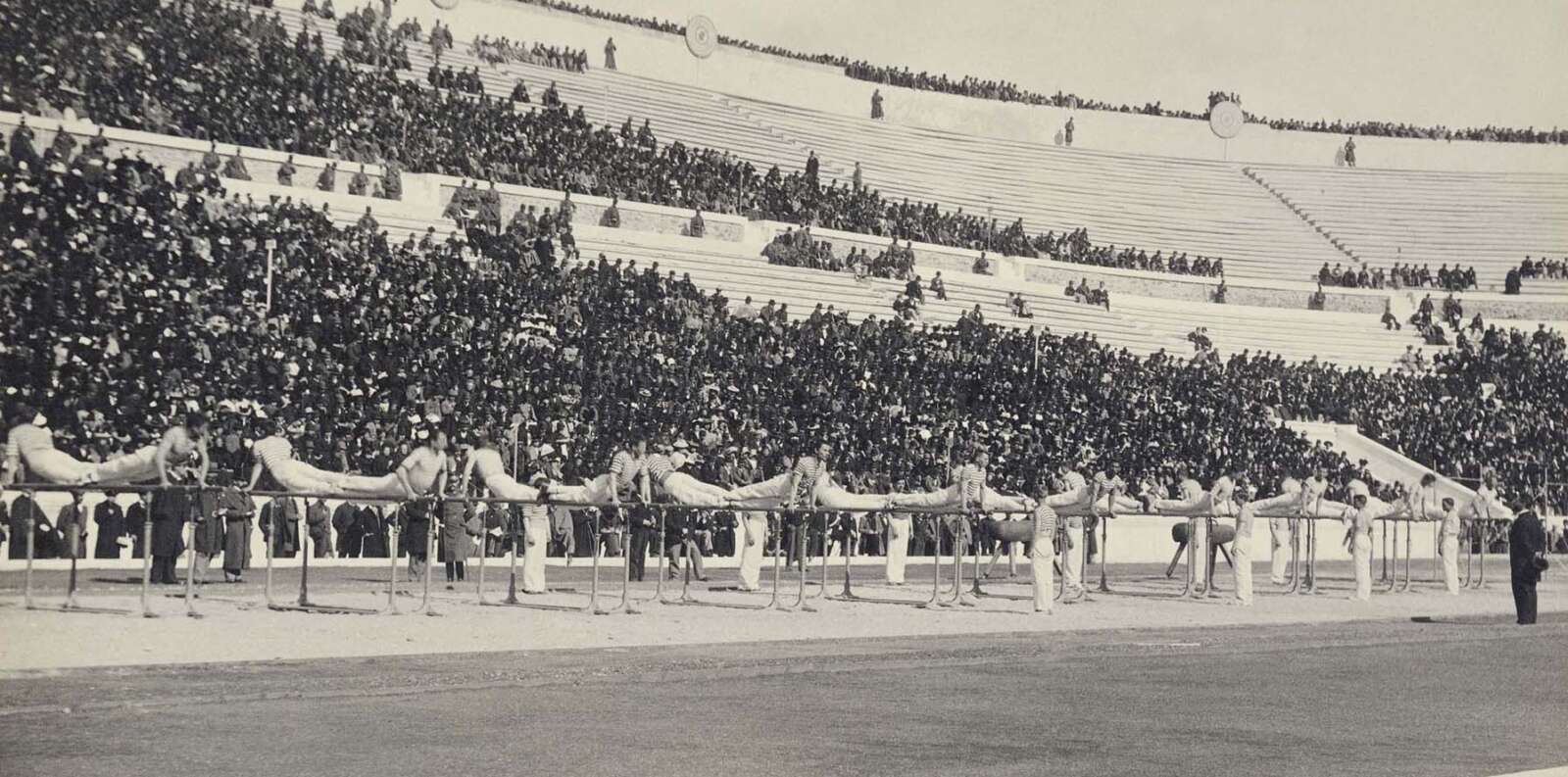 Olympic Revival (1896)
1940s-1980s: Mass culture, state policy, & everyday life (1)
Post-war period = expansion of state involvement in sport across multiple domains:
Education: PE mandatory in schools, emphasising health, order, civic values.
Public provision: sports centres, leisure facilities, local leagues funded as part of welfare policy.
1940s-1980s: Mass culture, state policy, & everyday life (2)
Global prestige: Olympic and World Cup success became markers of national power.
Television revolutionised sport - expanding audiences, sponsorship, and entertainment value.
Key developments:
Decline of amateur ideals
Rise of full-time professionalism
Growth of regional sporting identities (e.g. Scottish football, Welsh rugby)
1940s-1980s: Mass culture, state policy, & everyday life (3)
Persistent exclusions:
Women’s sport underfunded and underrepresented
Racial minorities stereotyped and marginalised
PE promoted discipline over expression
This post-war narrative of “greater access” should be balanced by awareness of who remained/remains excluded and how.
1900s-present: Globalisation, commodification, surveillance (1)
Sport has become hyper-commercial global industry:
Driven by TV rights, sponsorships, mega-events
Athletes marketed as brands and revenue streams
Technology reshapes performance:
GPS, biometrics, VAR, data analytics
Bodies trained for efficiency, exposure, profit
1900s-present: Globalisation, commodification, surveillance (2)
New ethical concerns:
Migrant labour exploitation
Racial abuse, algorithmic bias, digital profiling
Mental health crises among elite athletes
Sport as site of protest:
Athlete activism on race, gender, and injustice (e.g. BLM, LGBTQ+ advocacy)
Yet dissent often commodified or suppressed
Part 4. Sport as Cultural Practice
Sport as symbol & structure
Sport more than leisure or competition: a cultural form with symbolic meaning
Reflects and reproduces dominant values: heroism, sacrifice, discipline, competitiveness (all shaped by context)
Like ritual: repetition, set stages (pitch, ring, court), defined roles (player, fan, commentator), rule-bound choreography
Rituals express, maintain, and sometimes challenge society’s moral order
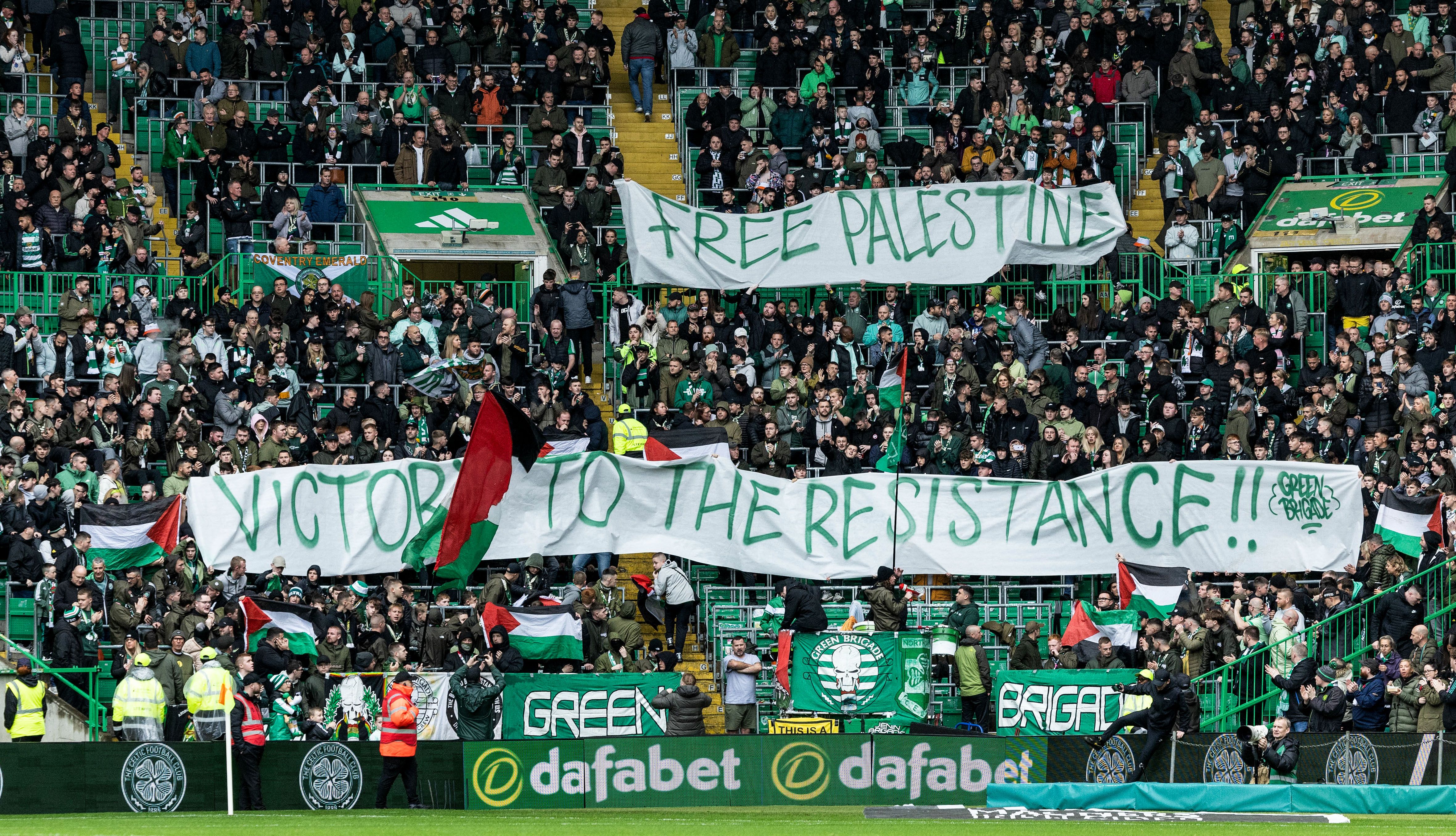
Think of a major sporting event you’ve watched. Strip away the score…what remains? Ritual, symbolism, hierarchy, performance?
What values are we invited to cheer for and what happens to those who don’t fit that script?
Power & identity
Sport not an open field. It’s structured by access, visibility, and legitimacy.
Consider not only who plays, but who is seen, who is celebrated, and who is rendered peripheral.
Sport reflects & shapes identities:
- race
- class
- gender
- sexuality
- national belonging
Who is allowed to belong in sport, and who must justify their presence?
Media as amplifier
- Media/sport in symbiosis
- sport gives drama/conflict/character; media amplifies/frames
- Representation never neutral
- constructs heroes/villains, underdogs/favourites, disappointments/redemptions
Language and stereotypes
Language loaded with racial, gendered, classed assumptions (“intelligent” vs “instinctive,” “passionate” vs “out of control”)
“Natural athlete” (often racialised) contrasted with “strategic/disciplined” white player
Not quirks; reinforce cultural logics of who counts as gifted vs deserving
Can you recall an example where a sports commentary or headline made you pause, or feel uneasy?
Commercialisation & commodification
Modern sport = multi-billion industry
Clubs shift from local institutions to global brands; athletes as influencers, marketing tools, assets
Fans reframed as consumers: passion monetised, identity sold via merchandise/media
Raises questions: authentic and profitable? community values in commodified space?
Tension not abstract - fans feel dissonance between loyalty and market logic
The ethics of spectacle
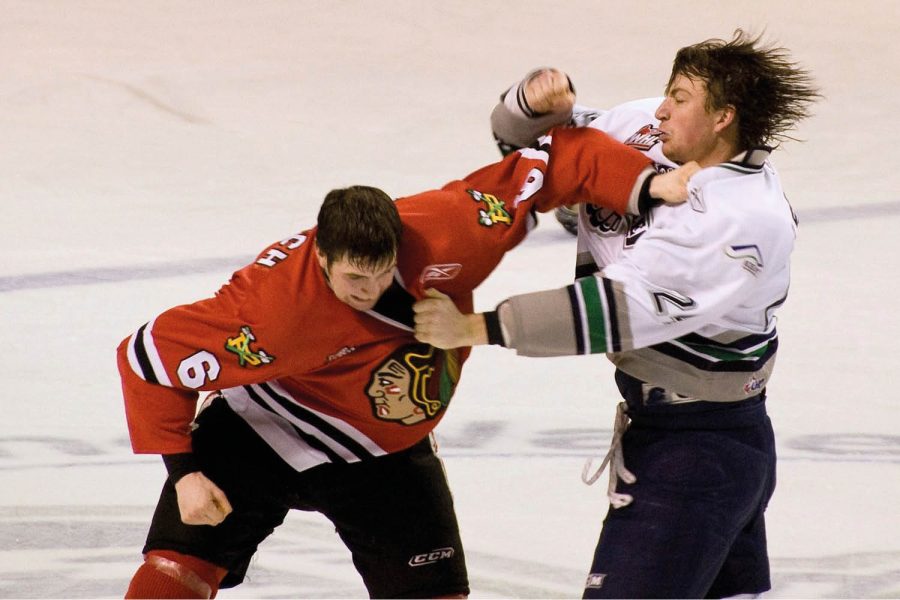
Spectatorship brings its own ethical dilemmas.
We want spectacle but at what cost?
Risk, consent, and responsibility
Head injuries in rugby and NFL, long-term damage in boxing, mental toll of constant performance…
These are not accidents but systemic features of sport
Fans, sponsors, and media all participate in defining what counts as “acceptable” harm or risk
We’re not passive observers - we’re implicated in the spectacle
What forms of risk or exploitation do we tolerate (perhaps even celebrate) because they come wrapped in the language of sport?
Part 5. Uncomfortable Questions
The “dark side” of sport
Beneath spectacle:
- doping, corruption, exploitation, abuse scandals
Romanticised pain/sacrifice (“play through injury”) conceals harm
Ideal of sport as pure/meritocratic functions as myth
Whose values?
Sport reflects dominant values: competition, discipline, ranking, spectacle
Not neutral but align with Western, capitalist, patriarchal frameworks
Raises questions: whose stories told, whose bodies commodified, whose labour taken for granted?
Think of a sport you know well. What values does it reward? Who benefits, who is excluded?
Resistance & inequality
Sport as site of resistance: Kaepernick, Rapinoe, Rashford
Costs: stalled careers, lost sponsorships, backlash; protests often commodified
Inequalities persist across race, gender, class, disability
Gap between inclusion rhetoric and systemic reality
::: {.flex-container style=“display: flex; align-items: center; height: 80%;”} ::: point Inclusion = more than access; about belonging, agency, recognition
Part 6. Stories from the Ground
Everyday & grassroots sport
Sport lived through PE lessons, five-a-side, team rituals, colours worn
Shapes identity, community, emotion…mirrors wider cultural scripts
Grassroots = invisible infrastructure: clubs, volunteers, coaches
Offer structure, belonging, hope yet underfunded and overlooked by elites
Who first made you feel you belonged in sport?
Marginalised experiences
Gender: subtle exclusions, microaggressions, resilience, new norms carved out
Disability: Paralympics celebrated, but everyday access limited; attitudes often bigger barrier
Race: celebrated on pitch yet marginalised in leadership/media; hypervisibility & invisibility coexist
::: {.flex-container style=“display: flex; align-items: center; height: 80%;”} ::: point Racism in sport not isolated moments but patterns shaping belonging
Intersections
.jpg)
Experiences shaped by overlapping identities (race, gender, class, disability, sexuality)
Crenshaw’s intersectionality: oppressions intersect, compounding exclusion
Without intersectional lens, inclusion efforts risk being superficial
Part 7. Group Discussion
Discussion Focus
- What does your relationship with sport reveal about the kind of society you live in?
- Use your own sporting experiences - whether as a participant, fan, or critic - to explore how sport connects to wider patterns of social life, power, and belonging.
- This week’s goal is to reflect on how personal stories reveal social structures.
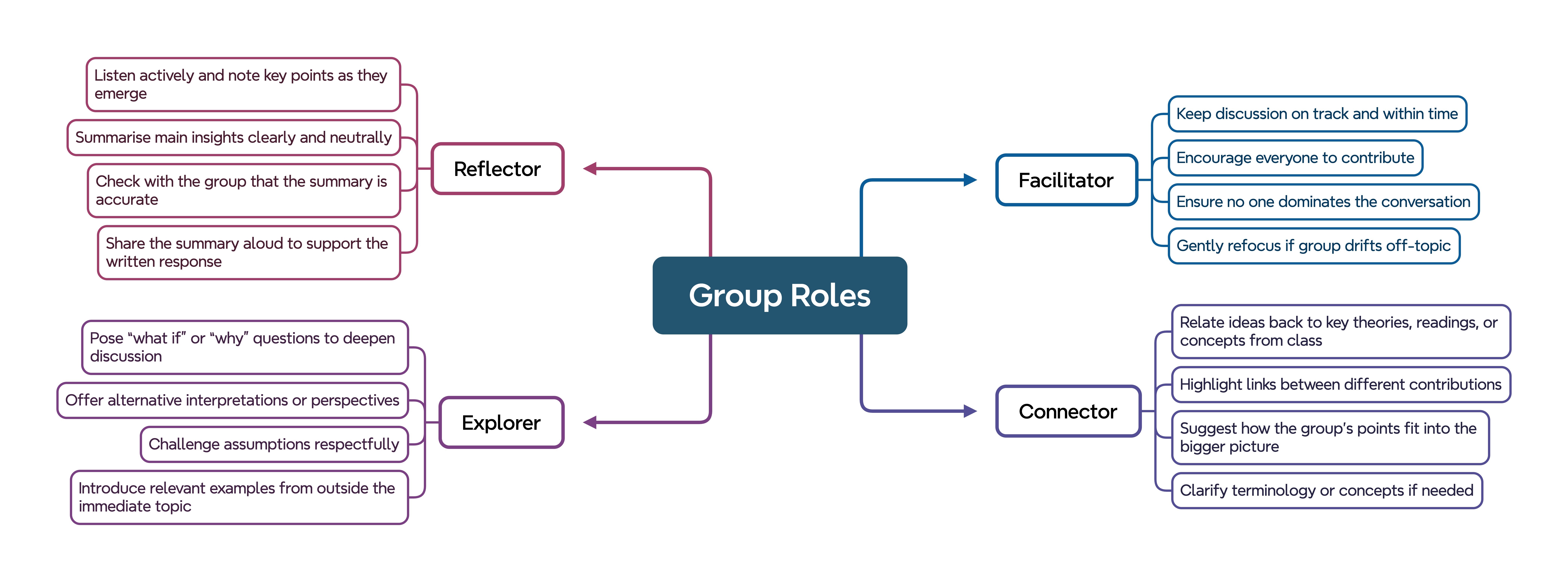
Group Roles
Facilitator - Guides discussion and ensures balanced participation
Connector - Links group’s ideas to theory, readings, or wider themes
Explorer - Brings a challenging question or alternative viewpoint
Reflector - Summarises group’s key insights aloud at the end to help everyone prepare their written response
Discussion Format (15–20 minutes)
Step 1 - Sharing (5 mins)
Each group member shares one short story or example from their own sporting experience.
Consider how sport reflected something about your social context…perhaps in terms of gender roles, class expectations, national pride, inclusion or exclusion.
Step 2 - Exploring (10 mins)
As a group, identify common themes or key differences. You might explore:
Whether sport in your life felt more like a force for connection, division, or control
How your experiences reflect larger systems like class, race, or gender
If your understanding of sport’s social role has shifted
Step 3 - Reflecting (5 mins)
The Reflector gives a brief spoken summary of the group’s key insights, highlighting anything surprising, unresolved, or especially thought-provoking.
This helps everyone prepare their individual submission.
Your Individual Task
After the discussion, write your own 150-word reflection responding to the following prompts:
What was one key idea or theme that emerged in your group?
Was there a disagreement or moment that challenged your perspective?
How did this discussion expand or shift your thinking about sport and society?
Guidance
Submit this by Friday of this week (5pm), via myplace.
Remember: Your personal context (where you’re from, how you’ve engaged with sport, and what it means to you) will differ from others. That diversity is your strength this week. Reflect honestly, listen generously, and connect your story to the bigger picture.