Sport and Sociology
Introduction
Today
Revisit four core sociological theories:
Functionalism
Conflict Theory
Symbolic Interactionism
Feminist Theory
- Add two lenses that focus on power (Bourdieu, Foucault)
Are you aware of what any of these theories suggest or argue about how society is structured?
1. Why Theories?
1.1 What is ‘theory’?
- Theory can feel abstract or “not practical” because:
- unfamiliar terminology, fear of “getting it wrong”, prior bad experiences.
- sport often presented as “natural”, “apolitical”, or inherently good.
- Theory is a toolkit — a way of revealing patterns.
1.2 What theory helps us “see”
Functionalism
↓
how roles, rituals, institutions create cohesion and stability.
1.2 What theory helps us “see”
Conflict Theory
↓
how resources and decision-making are distributed; who benefits/loses.
1.2 What theory helps us “see”
Symbolic Interactionism
↓
how meaning and identity are co-constructed in daily interactions.
1.2 What theory helps us “see”
Feminist Theory
↓
how gendered power and intersectional structures shape opportunity and value.
2. Functionalism

2.1 Introduction & roots
- Emerged alongside industrialisation and complex division of labour.
- Key thinkers:
- Durkheim
- Parsons
- Merton
- Society viewed as an interconnected organism seeking equilibrium.
2.2 Assumptions
- Interdependence
- parts (institutions, groups, roles) rely on each other.
- Social order
- norms/values internalised through socialisation.
- Adaptation
- disruptions trigger compensatory changes to restore balance.
- Manifest vs latent functions (Merton)
- intended vs unintended consequences.
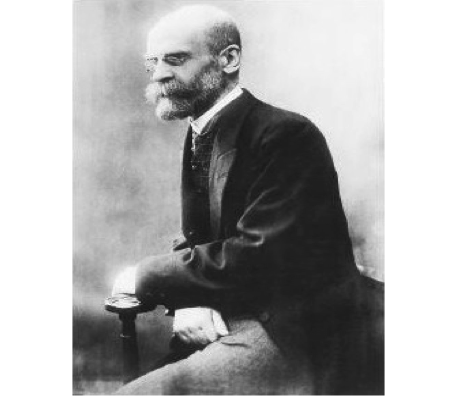
Emile Durkheim - Sport as preparation for social responsibilities
2.3 Sport as bonding (integration & solidarity)
- Rituals (anthems, trophies, derby days) produce collective effervescence (Durkheim).
- Examples:
- 1995 Rugby World Cup as reconciliation symbol.
- Olympics as global ceremony reinforcing shared humanity.
- Local club nights as neighbourhood cohesion.
2.5 Health & well-being (biopsychosocial model)
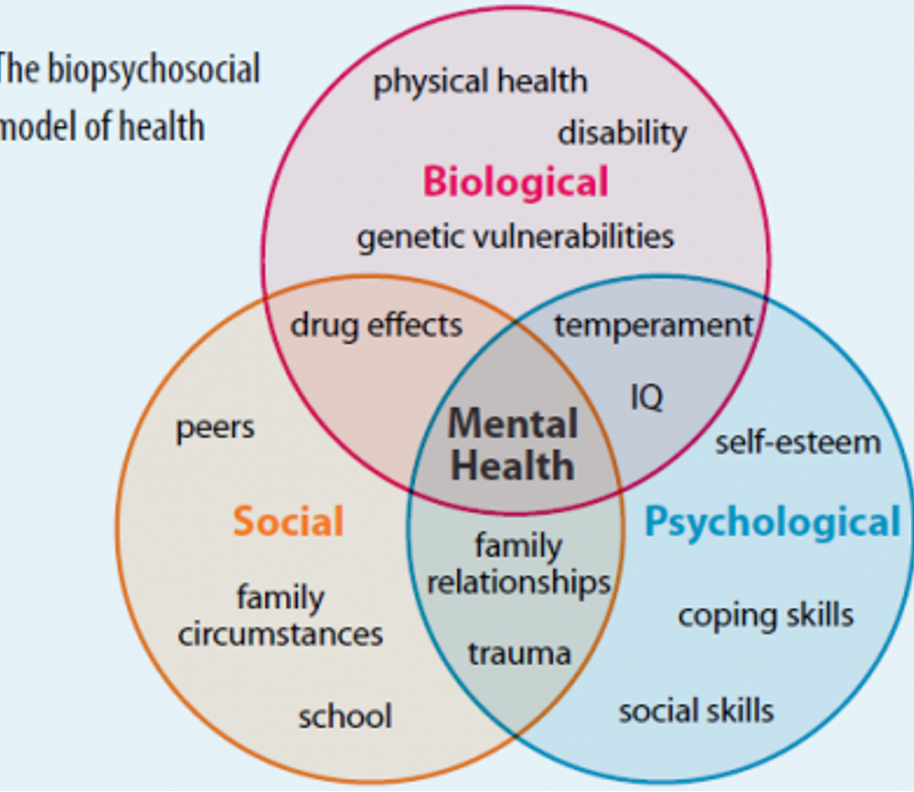
- Biological
- reduced chronic disease risk, fitness.
- Psychological
- self-esteem, stress regulation, belonging.
- Social
- networks, pro-social norms, volunteering.
2.6 Strengths
- Explains stability, cohesion, pro-social outcomes of sport.
- Illuminates importance of ritual and shared identity.
2.7 Critiques & limits
- Underplays power, inequality, conflict, rapid social change.
- Risks idealising institutions; misses harms (doping, abuse, exploitation).
- Can naturalise status quo as “functional”.
2.8a Additional frameworks - Pierre Bourdieu (1930-2002)
Capital
- Beyond money: social life organised around different forms of capital, not just economic.
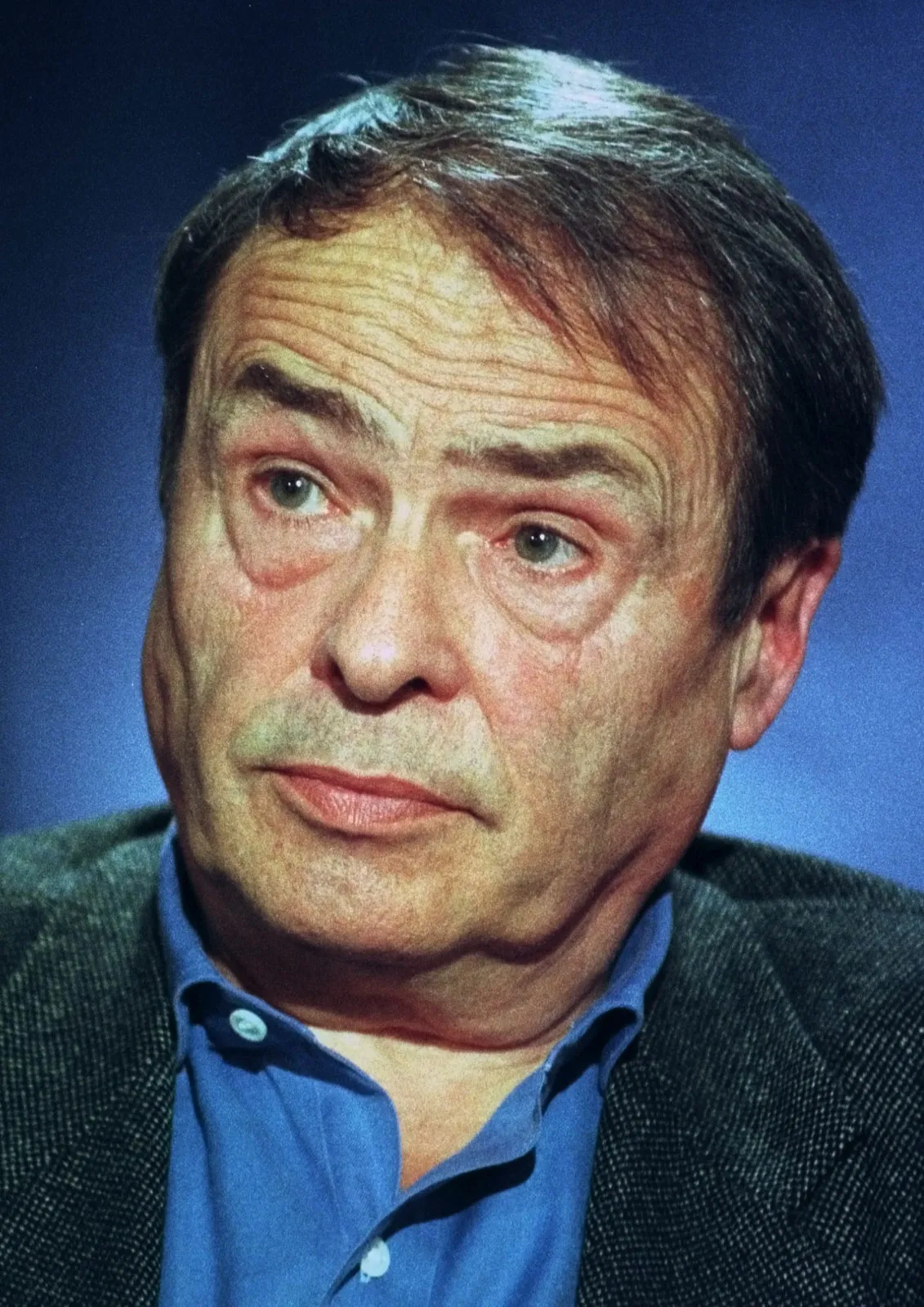
2.8a Bourdieu and “capital”
Forms of capital
Economic capital – material wealth, assets, money.
Cultural capital – knowledge, skills, tastes, education, credentials.
Social capital – networks, relationships, group membership.
Symbolic capital – prestige, honour, recognition.
Capitals can be converted into each other (e.g. education → job → money).
Capital reinforces social inequality: those who possess more maintain advantage.
2.8b Additional frameworks - Michel Foucault (1926-1984)
- Power everywhere
- not just governments but diffused through society.
- Works through discourses
- knowledge, language, norms that shape what seems true or possible.
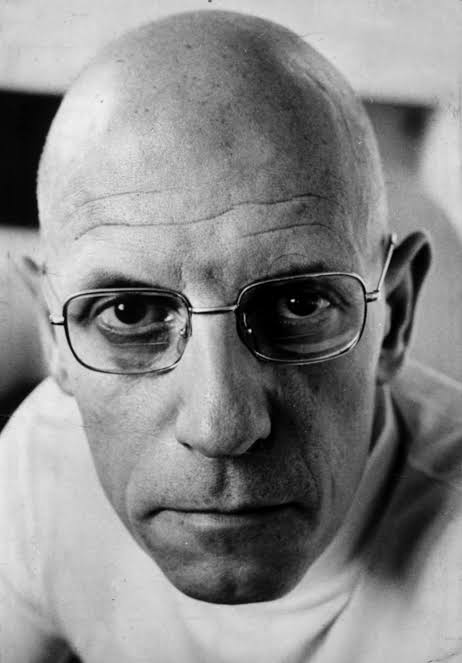
2.8c Additional frameworks - Michel Foucault (1926-1984)
Disciplinary power
- surveillance, normalisation, self-regulation.
Biopower
- regulation of populations (health, sexuality, bodies).
Power productive, not only repressive
- it creates knowledge, identities, practices.
Individuals both subject to power and agents within it.
2.9 In sport
- Bourdieu
- Which capitals cohesion rewards (e.g., middle-class etiquette in certain sports)?
- Which capitals cohesion rewards (e.g., middle-class etiquette in certain sports)?
- Foucault
- How norms are enforced (codes of conduct, surveillance → “good club citizen”).
3. Conflict Theory
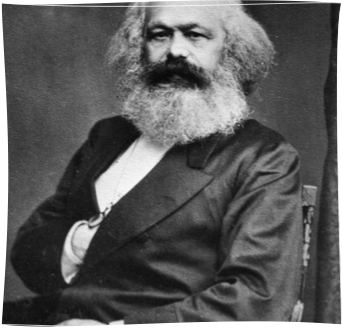
3.1 Introduction & roots
- Emerged as critique of Functionalism.
- Main strands
- Marx
- neo-Marxism
- critical theory
- Gramsci (hegemony)
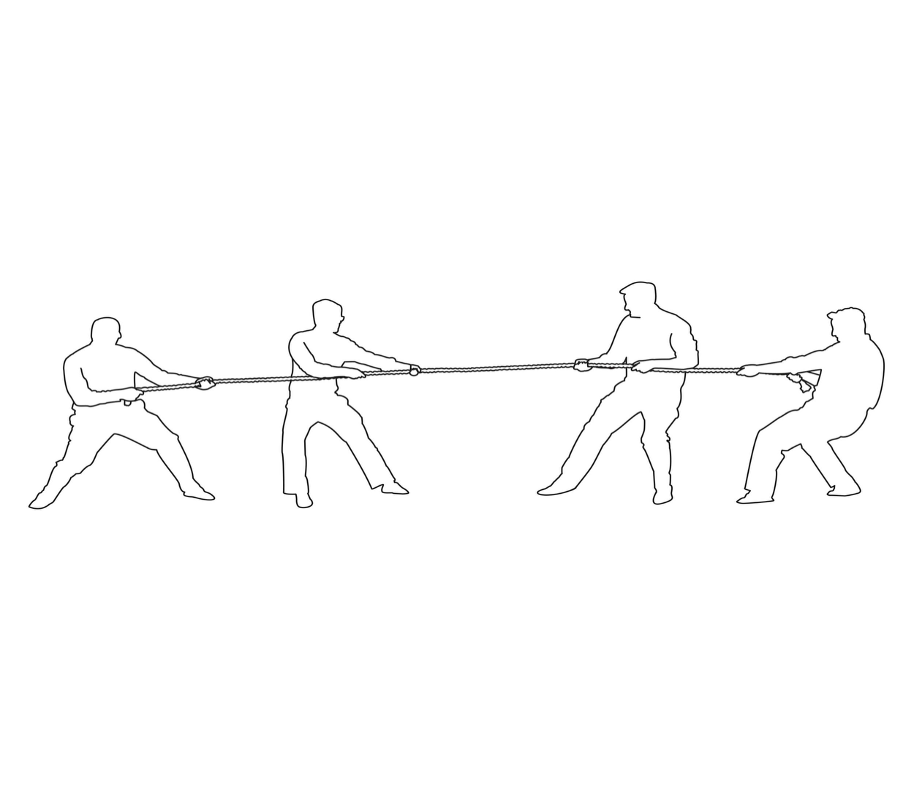
3.2 Assumptions
- Society structured by scarcity and power
- groups compete for resources
- Dominant groups shape institutions to reproduce advantage
Who benefits?
Who pays?
Where does value flow?
3.3 Resource allocation in sport
- Funding, facilities, coaching, travel, sports science cluster in advantaged contexts.
- Bourdieu’s cultural capital: familiarity with codes/pathways functions as a barrier or springboard.
- Examples:
- Selection fees, kit costs, travel distances.
- Elite school networks channelling athletes into national pathways.
3.4 Labour, commodification, & control
- Athletes as workers; extraction of surplus value (broadcast rights, sponsorship).
- College/amateur debates (scholarship vs exploitation); unionisation efforts.
- Mega-events: gentrification, displacement, public debt, private profit.
3.5 Gatekeeping & power/knowledge
- Coaches, officials, NGBs set criteria; “merit” defined by those in power.
- Foucault (support): “talent” and “professionalism” constructed via expert discourse and data thresholds.
3.6 Critical Race Theory
- Structural racism in access, coaching pipelines, media stereotypes.
- Racialised position clustering (e.g., positions deemed “natural” for certain athletes).
- Double standards in discipline and media narratives.
3.7 Evidence you’d look for
- Budget lines, facility maps, fee schedules, bursary data.
- Selection statistics by postcode/school/type, demographic breakdowns.
- Contract clauses, revenue splits, collective bargaining agreements.
3.8 Strengths
- Centres inequality, resource flows, institutional interests.
- Useful for policy critiques and reform agendas.
3.9 Critiques & limits
- Risks economic reductionism; may downplay culture/consent and everyday cooperation.
- Can understate agency and micro-level meaning-making.
Bourdieu examines which capitals dominate a pathway and how they convert.
Foucault shows how thresholds/dashboards naturalise exclusion.
4. Symbolic Interactionism
4.1 Introduction & roots
- Developed by Mead, Blumer; a response to American pragmatism.
- Focus: micro-level interaction, symbols, and negotiated meaning.
4.2 Core definition (assumptions)
- Society built through face-to-face and mediated interactions.
- Identities are performed and recognised within social settings.
- Reality is interpreted; meanings are contested and change over time.
4.3 Dramaturgy & impression management (Goffman)
- Front stage/back stage behaviour in teams and media.
- Face-work: saving face after errors; rituals of apology and redemption.
- Team “culture” as a performance sustained by shared scripts.
4.4 Symbols, rituals, and identity
- Jerseys, anthems, mascots → symbolic language of belonging.
- Chants, celebrations, pre-game routines; nicknames and insider jargon.
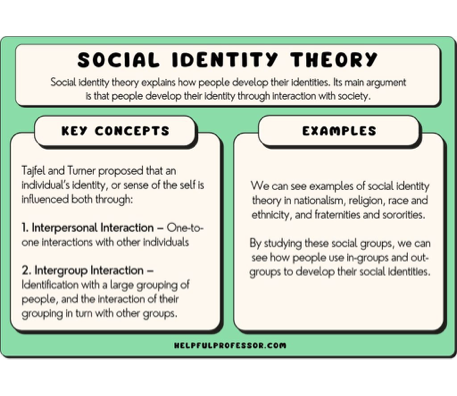
- Social Identity Theory: in-group pride; out-group stereotyping.
4.5 Media framing & narrative
- Frames guide public interpretation of athletes/events.
- Narrative arcs (underdog, villain, redemption) shape emotions and sponsorship value.
- Social media as arena for self-presentation; parasocial relations with fans.
4.6 Deviance, labelling, and stigma
- “Dirty player”, “talent but trouble”: labels that stick and shape opportunities.
- Injury as identity shift; return-to-play narratives.
4.7 Strengths
- Explains meaning, identity, and the emotional force of sport.
- Illuminates micro-processes often missed by macro theories.
4.8 Critiques & limits
- Can underplay structural power (racism, sexism, class).
- Risks cultural bias; may over-focus on visible performances.
Bourdieu: when symbols convert to symbolic capital (status, legitimacy).
Foucault: how visibility is disciplined by branding rules, surveillance, and sanctions.
5. Feminist Theory
5.1 Introduction & scope
- Examines gendered power
- across participation, pay, coverage, leadership.
- “Intersectionality” (Crenshaw)
- race, class, sexuality, disability shape outcomes.
- Varied strands
- liberal, radical, socialist/materialist, poststructuralist, queer.
5.2 Gender roles & norms
- Stereotypes
- “throw like a girl”
- “women’s sports are slower/less technical”.
- Respectability politics
- appropriate dress, tone, and emotion.
- “Hegemonic masculinity”
- valorised forms of male dominance in sport cultures.
5.3 Structures and pathways
- Pipeline leaks: school-to-club transitions, maternity and return-to-play.
- Governance: under-representation in boards, coaching, officiating.
- Facility allocation, scheduling, media slots → systemic bias.
5.4 Media, representation, and embodiment
- Under-coverage, sexualisation, unequal production values.
- Narratives focusing on appearance, family roles, “distractions”.
- Double binds: “too aggressive” vs “not competitive enough”.
5.5 Intersectional evidence
- Women of colour facing compounded discrimination.
- Disabled and LGBTQ+ athletes negotiating visibility and safety.
- Policy debates: trans inclusion, fairness vs inclusion framings.
5.6 Sport as reinscription or disruption
- Sport can reinforce binaries and hierarchies (eligibility, uniforms).
- Sport can challenge norms (record-breaking performances, leadership firsts).
- Allyship and institutional commitments as levers for change.
5.7 Evidence you’d look for
- Pay/bonus structures, media minutes, camera allocation, sponsorship deals.
- Leadership demographics, hiring pipelines, coach education access.
- Policy documents (eligibility, maternity, safeguarding).
5.8 Strengths
- Centres gendered power, brings intersectionality to the fore.
- Directly connected to reform and accountability.
5.9 Critiques & limits
- Early work centred white, middle-class women; expanding scope continues.
- Risks binary framing; must attend to non-binary and trans experiences.
- Needs integration with class, race, disability, and migration.
Bourdieu
- which capitals are gendered in a field (e.g., “appropriate” speech, networks)?
Foucault
- how bodies are disciplined differently via dress codes, testing regimes, visibility rules.
7. Worked Micro-Examples
7.1 Team selection
- Functionalism: role allocation fosters stability; ritual builds cohesion/commitment.
- Conflict: fees, transport, private coaching skew access; “merit” masks resource effects.
- Interactionism: lists, kit, coach talk produce belonging/exclusion narratives; identity stakes.
- Feminist: criteria privilege masculine-coded traits; intersectional bias in “attitude” assessments.
- (B) Capitals (parent networks, “right” demeanour) sway borderline cases.
- (F) Dashboards and thresholds normalise exclusion as objective “science”.
7.2 Uniform policy
- Functionalism: shared identity/order; reduces friction, signals roles.
- Conflict: cost burdens; fines as coercion; fundraising disparities.
- Interactionism: colours/badges as meaning systems; shame for non-compliance.
- Feminist: gendered presentation rules; comfort vs sexualisation debates.
- (B/F) Symbolic capital of “proper kit”; surveillance via appearance checks.
7.3 Athlete monitoring app (RPE, wellness, GPS)
- Functionalism: improves coordination, safety, performance planning.
- Conflict: data ownership/benefit asymmetry; surveillance labour uncompensated.
- Interactionism: self-presentation in entries (“never tired” persona).
- Feminist: gendered expectations around body weight, aesthetics, “discipline”.
- (B/F) Metrics confer symbolic capital; disciplinary power via thresholds.
7.4 Media scandal & redemption arc
- Functionalism: moral boundary-setting; reintegration ritual after contrition.
- Conflict: click-economy profits; unequal treatment by status/race/class.
- Interactionism: frames, hashtags, influencer commentary create reputations.
- Feminist: gendered double standards; victim credibility politics.
- (B/F) Prestige protects some; surveillance archives errors indefinitely.
7.5 Para sport classification dispute
- Functionalism: fairness via categories stabilises competition.
- Conflict: resource-rich programmes navigate classifications better.
- Interactionism: identity and legitimacy narratives; stigma/respect dynamics.
- Feminist/Intersectional: disability × gender × race in visibility and support.
- (B/F) Expert knowledge and testing regimes define “fit”; capitals to contest decisions.
7.6 Community pitch allocation
- Functionalism: maximising community participation and harmony.
- Conflict: prime slots to privileged clubs; hidden criteria.
- Interactionism: symbols on walls, gatekeeper relationships, “our ground” stories.
- Feminist: girls’ teams marginalised; safety/lighting issues.
- (B/F) Social capital with council; procedural surveillance as control.
8. Group Discussion
Discussion Focus
Has applying theory to sport helped you see something you’d previously taken for granted?
This week is about seeing differently. Use one or more theoretical lenses like power, surveillance, habitus, identity, performance, socialisation, etc. to analyse a familiar part of sport in a new way.
You’re not expected to be an expert, just be curious and willing to explore how theory might reveal hidden dynamics.
Group Roles
- Facilitator – Guides the discussion and ensures balanced participation
- Connector – Links the group’s ideas to theory, readings, or wider themes
- Explorer – Brings a challenging question or alternative viewpoint
- Reflector – Summarises the group’s key insights aloud at the end to help everyone prepare their written response
Discussion Step 1 – Sharing (5 mins)
- Each person gives a brief example of something in sport they now see differently after encountering a particular theory.
- It could be uniforms, coaching styles, rules, competition formats, or emotional responses.
Discussion Step 2 – Exploring (10 mins)
- Use your group’s examples to examine how theory interacts with lived experience.
- You might explore:
- How a specific theory made something visible that used to feel “normal” or “natural”
- Whether the theory helps explain power, inequality, identity, or control in sport
- What it feels like when theory clarifies vs when it confuses, and why that matters
- Look for patterns in how different theories land differently depending on culture, sport, or personal background.
Discussion Step 3 – Reflecting (5 mins)
- Reflector gives a spoken summary highlighting how theory helped the group uncover new meaning or prompted confusion or disagreement.
- This helps everyone prepare their written submission.
Your Individual Task
After the discussion, write your own 150-word reflection responding to the following prompts: - Which theory or concept helped you see something familiar in a new way? - How did applying theory clarify or complicate your understanding of sport? - How did the conversation help you value (or question) the role of theory in understanding society?
Submit this by Friday at 5pm via myplace
Theory isn’t a test, it’s a “lens”.
Some lenses sharpen your vision; others blur it.
Either way, they change what you see.
This week is about exploring that shift and building confidence in applying theory to the real world.
2.4 Socialisation & role training